
Navigating Japan: Trains, Tracks & Travel Tricks — A Complete Transportation Guide
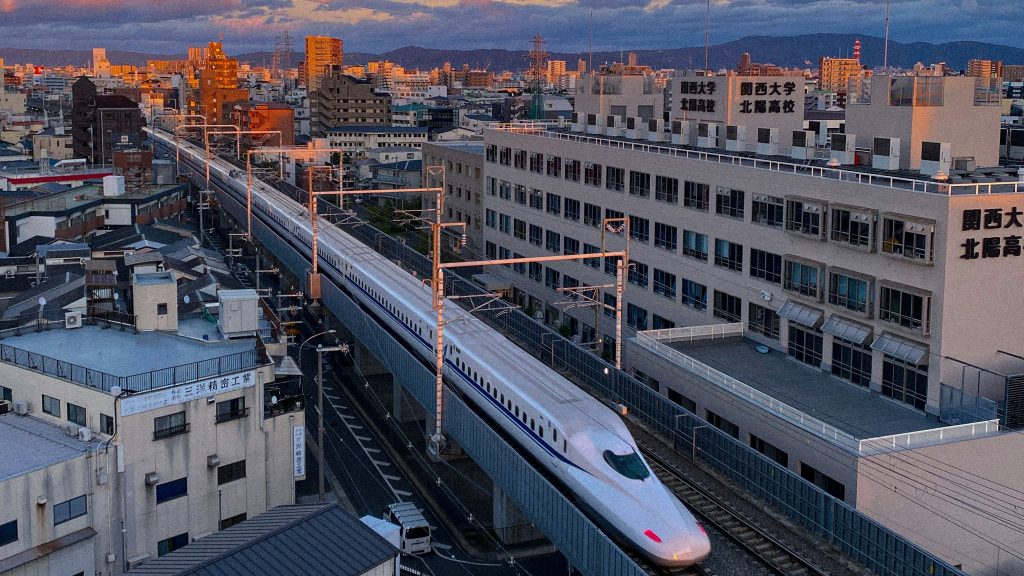
Photo by Jaden William on Unsplash
Japan’s transportation system is legendary. From the sleek Shinkansen bullet trains to the intricate subway networks and charming local buses, traveling across the country is both efficient and enjoyable. For visitors, however, the sheer scale of options can feel overwhelming. This guide combines practical Japan travel tips with cultural insights, showing you how to ride Japan’s trains, tracks, and travel tricks with confidence. And with an eSIM Japan plan, staying connected ensures every journey is smooth and stress free.
🚅 The Shinkansen: Japan’s Bullet Train Experience
The Shinkansen is the crown jewel of Japan’s rail system. These highspeed trains connect major cities like Tokyo, Osaka, Kyoto, and Hiroshima at speeds of up to 320 km/h. What makes the Shinkansen special isn’t just speed — it’s comfort. Spacious seating, onboard snacks, and WiFi access make longdistance travel a pleasure. Booking tickets online in advance is highly recommended, and with your eSIM activated, you can access digital confirmations and realtime schedules instantly. For many travelers, riding the Shinkansen is not just transportation — it’s a bucketlist experience.
🚇 Subways and Local Trains
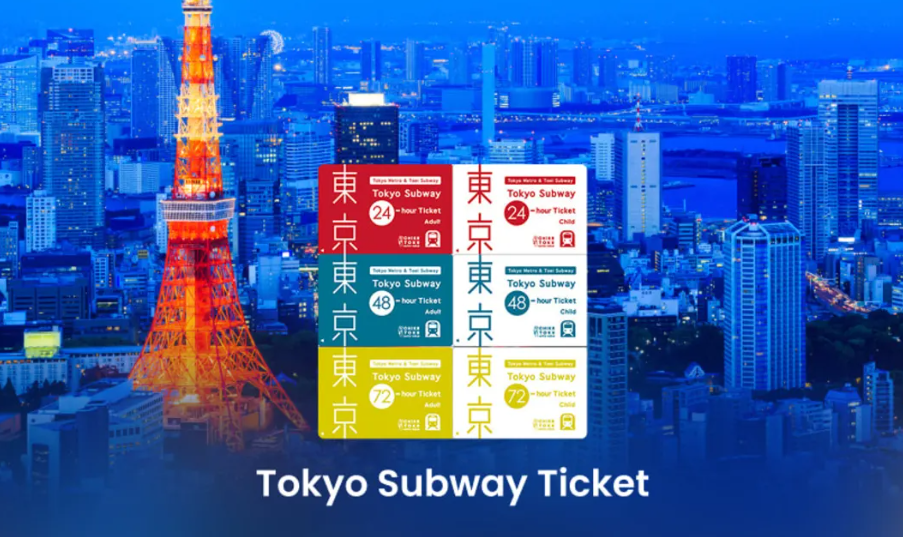
Japan’s cities are powered by their subway systems. Tokyo’s metro, one of the busiest in the world, runs with remarkable punctuality and efficiency. IC cards like Suica and Pasmo make hopping between trains and buses seamless, saving time and hassle. Navigation apps such as Google Maps or Japan Transit Planner are invaluable, and with an eSIM Japan plan, you’ll have realtime updates even underground. Whether you’re commuting in Osaka or exploring Tokyo’s neighborhoods, the trains are your gateway to urban Japan!
Buses and Regional Travel
Beyond the rails, buses play a vital role in connecting rural areas and scenic destinations. Local buses are perfect for reaching temples, hot springs, and countryside towns, while highway buses provide a budgetfriendly alternative to the Shinkansen for long distance travel. Staying connected with your eSIM means you can check timetables, translate schedules, and book tickets online, making bus travel far less intimidating for firsttime visitors.
Taxis and Ride Hailing Apps
Taxis in Japan are clean, reliable, and safe, though they tend to be more expensive than trains or buses. They’re especially useful late at night or in areas not well served by public transport. Apps like JapanTaxi or Uber (available in limited regions) help bridge language barriers, and with mobile data from your eSIM, you can hail rides and pay digitally without needing cash.

Cycling and Walking Adventures
For those who prefer a slower pace, cycling and walking are excellent ways to explore Japan. Kyoto is particularly bike friendly, with rental shops near train stations and scenic routes connecting temples and gardens. Walking through local neighborhoods often reveals hidden gems — from family run ramen shops to quiet shrines tucked away from the crowds. Navigation apps and bike friendly tools become invaluable companions during these adventures, and with constant connectivity, you’ll never feel lost.

Why Connectivity Matters
Japan’s transportation system is designed to make travel efficient, safe, and enjoyable, but the sheer scale of trains, buses, and ticketing options can feel overwhelming at first. That’s why staying connected is so important. With Frewie eSIM Japan plans, it ensures instant access to maps, schedules, translation apps, and booking platforms, eliminating the stress of navigating unfamiliar systems. Whether you’re racing across the country on the Shinkansen or strolling through Kyoto’s historic streets, connectivity guarantees a smoother, smarter, and more memorable journey.
Frequently Asked Questions
Do I need a Japan Rail Pass?
- The Japan Rail Pass is ideal if you plan to travel extensively between cities. It offers unlimited rides on most JR trains, including the Shinkansen, for a fixed period. If you’re only staying in one region, local passes may be more cost effective.
Is WiFi available on trains?
- Yes, most Shinkansen and many local trains offer free WiFi. However, coverage can be spotty in tunnels or rural areas, so having an eSIM ensures uninterrupted connectivity.
Can I use my credit card for tickets?
- Major stations accept credit cards, but smaller bus routes or local trains may require cash. With #roamingmadeeasywithfrewie #eSIM, you can use mobile payment apps to avoid carrying too much cash.
How do I navigate if I don’t speak Japanese?
- Signage in major stations is often bilingual, but apps like Google Translate and Japan Transit Planner are lifesavers. With your eSIM, you’ll have instant access to these tools anywhere.
Are taxis easy to find?
- Yes, taxis are widely available in cities and near train stations. They’re reliable but more expensive than public transport, so they’re best for short trips or late-night travel.
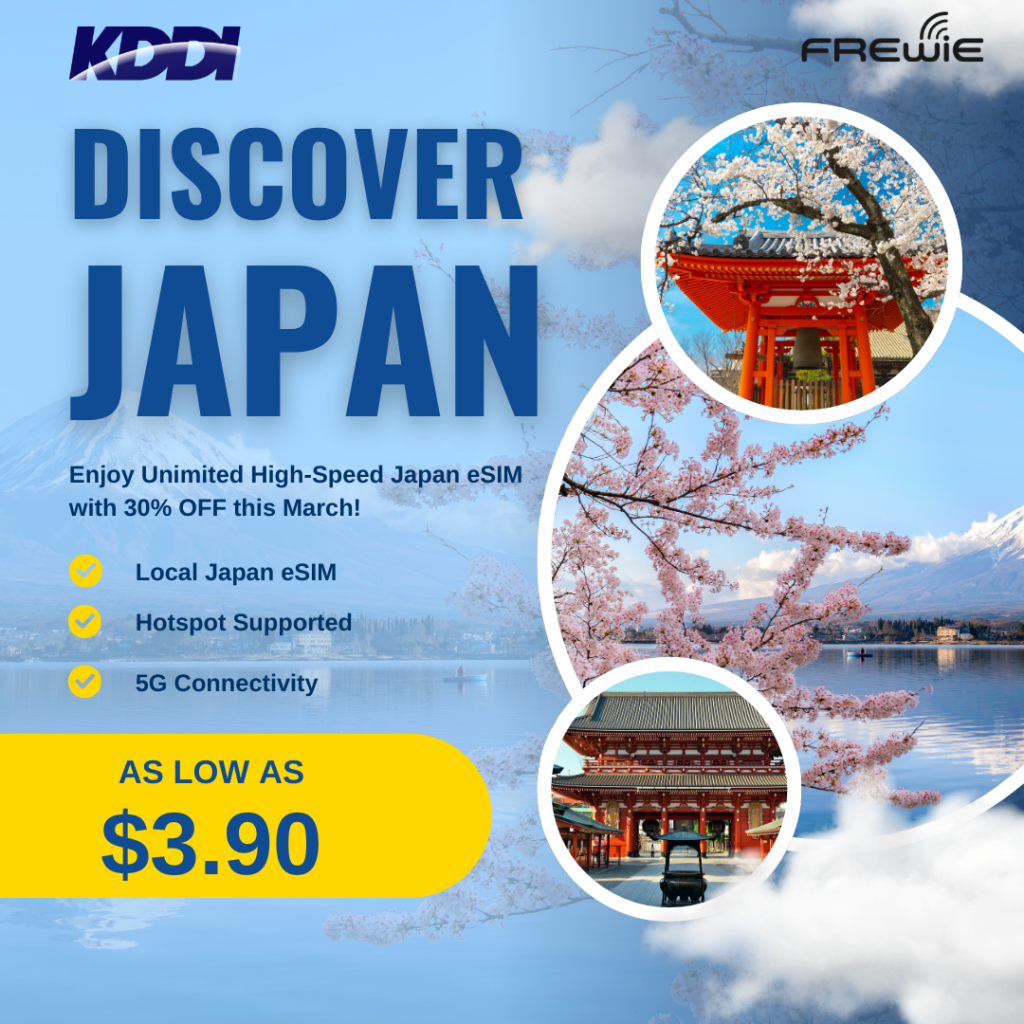
👉 Snag exclusive KDDI Japan eSIM discounts and stay connected on every adventure.
👉 Grab the Frewie App for deals, plan management, and insider travel hacks and take advantage of the 30% offer today!