A Foodie’s Guide to Japan: Must‑Try Local Eats by Region
Photo by Su San Lee on Unsplash
Japan is one of the world’s greatest food destinations — a place where every region has its own flavours, traditions, and specialties shaped by climate, culture, and history. From buttery Hokkaido dairy and fresh seafood pulled straight from icy northern waters to the sizzling street food of Osaka and the delicate, seasonal artistry of Tokyo sushi — travelling in Japan is truly a journey through taste.
What makes Japan especially exciting for food lovers is that the best dishes aren’t always found in tourist centres.
Many of the most authentic flavours come from local markets, hidden alleyway stalls, neighbourhood noodle shops, family-run eateries, and region‑specific specialties you won’t find anywhere else. Each area of the country tells its story through food — whether it’s the tropical influence in Okinawa, the rich tonkotsu ramen heritage of Fukuoka, or the layered okonomiyaki of Hiroshima.
But exploring Japan’s food scene takes a bit of navigation. Some of the best restaurants have:
- No English menus
- Long local queues
- Digital reservation systems
- QR-based ordering or payment
- Confusing back-alley locations
That’s where being connected becomes essential. With a #roamingmadeeasywithfrewie Japan eSIM, you can instantly look up reviews, translate menus, follow maps to hidden gems, and book seats at popular restaurants — ensuring you don’t miss out on the most unforgettable meals.
In this guide, we explore Japan’s top regional dishes, how they taste, why locals love them, must‑visit spots, and photo ideas that capture each flavour beautifully. Whether you’re planning your first trip or returning for more, this foodie guide will help you eat your way through Japan like a pro!
HOKKAIDO — Seafood & Dairy Paradise
Hokkaido is Japan’s northernmost island, and its landscape is completely different from the rest of the country. With icy seas, cool summers, volcanic soil, and wide-open farmland, it has the perfect environment for producing premium seafood, dairy, vegetables, and wheat. This mix of nature and climate makes Hokkaido a dream destination for food lovers — everything tastes fresher, richer, and cleaner here.
Unlike the crowded cities of Honshu, Hokkaido feels spacious and relaxed. Fishing towns bustle early in the morning, farms stretch out across rolling hills, and markets overflow with seasonal produce. The island is especially famous for its pure water and lower population density, which contributes to cleaner oceans and higher-quality ingredients.
Here’s why Hokkaido’s flavours stand out:
- Cold waters= sweeter seafood : The low sea temperatures slow down movement in marine life, which helps preserve sweetness and “snap” in shellfish and fish — giving dishes like uni, scallops, and ikura a naturally rich flavour.
- Rich farmland = creamy dairy & bold vegetables : Hokkaido produces more than half of Japan’s dairy. The cows graze in open fields, contributing to the famously creamy milk, butter, and cheese.
- Cool climate = ideal for ramen and hearty soups : It’s no surprise that Sapporo’s miso ramen and soup curry originated here — they warm you right up in winter.
- Clear seasonal differences =year‑round food experiences : Summer means fresh tomatoes and melons, while winter brings the best crab of the year.

Below are the must‑try dishes that perfectly reflect Hokkaido’s unique environment and food culture.
- Kaisen-don (Seafood Bowl) : A bowl of rice topped with layers of freshly caught seafood — typically salmon, scallops, crab, uni (sea urchin), and ikura (salmon roe).
- Flavour: Sweet, briny, incredibly fresh : Why it’s special: Hokkaido’s cold ocean preserves seafood sweetness
Must-try spots: Nijo Market (Sapporo), Hakodate Morning Market
- Soup Curry : A spicy, aromatic broth served with large chunks of vegetables and chicken.
- Flavour: Light yet bold, herbal, slightly spicy
- Why it’s special: Born in Sapporo, loved nationwide
Must-try: Garaku, Suage+ (Sapporo)
- Hokkaido Soft Serve
- Made using high‑fat Hokkaido milk.
- Flavour: Extra creamy, smooth and milky
Must-try: Otaru Canal shops
- Butter Corn Miso Ramen
- A Sapporo classic topped with sweet corn, a pat of butter, and rich miso broth.
- Flavour: Warm, comforting, slightly sweet
OSAKA — Street Food Capital of Japan
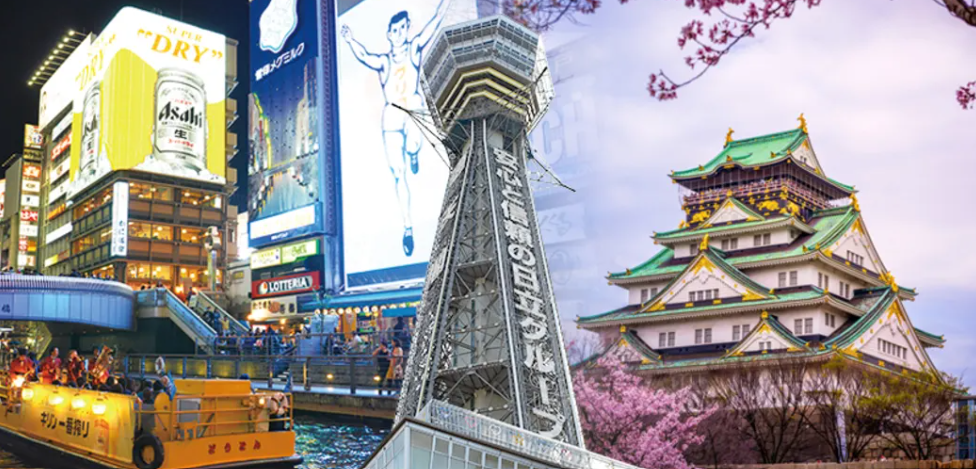
Osaka is often called Tenka no Daidokoro — “the Nation’s Kitchen” — and once you arrive, you’ll understand why. This lively, energetic city treats food not just as nourishment, but as joy, entertainment, and community. Osaka’s streets are filled with sizzling grills, friendly vendors calling out to customers, and the unmistakable smell of sauce, broth, and fried goodness drifting through the air. Don’t forget to get the Osaka Amazing Pass and maximize your visit with this all-inclusive pass and conveniently explore Osaka at your own pace!
Here, food is bold, hearty, and unapologetically comforting. Whether you’re standing at a takoyaki stall in Dotonbori or watching an okonomiyaki chef flip a pancake with dramatic flair, Osaka invites you to eat with your hands, laugh loudly, and enjoy every bite.
Osaka’s food culture was shaped by centuries as a merchant hub and port city. With access to trade routes and local produce from nearby Kansai farms, Osaka developed dishes that were affordable, filling, and flavour-packed — perfect for busy workers and hungry travellers passing through.
Today, the city remains a paradise for casual dining. The best places are often small counters, smoky teppan grills, or family-run shops passed down for generations. It’s the ultimate destination for anyone who believes food should be fun.
Takoyaki :
- Ball-shaped snacks filled with diced octopus, tempura scraps, green onion, and pickled ginger.
- Texture: Crispy outside, soft and gooey inside
- How locals eat: Fresh off the grill — super hot!
Osaka-Style Okonomiyaki :
- A savoury pancake mixed and grilled with cabbage, pork, seafood, and sauce.
- Flavour: Umami-rich, slightly sweet from the okonomiyaki sauce . Tip: Sit at teppanyaki counters for the best experience
Kushikatsu :
- Deep‑fried skewers of meat, vegetables, cheese, and seafood.
- Fun rule: One dip per person — no double-dipping!
- Best area: Shinsekai
Kitsune Udon :
- Simple noodles topped with sweet fried tofu.
- Flavour: Light, comforting, slightly sweet
- Fun fact: Osaka claims to have invented this dish
TOKYO — Variety, Innovation, and Endless Choices
Tokyo’s food scene is like the city itself — dynamic, layered, and endlessly fascinating. As the country’s capital and cultural hub, Tokyo attracts chefs, ingredients, and culinary styles from every part of Japan. It’s a place where centuries-old traditions sit side-by-side with trendsetting cafés, Michelin-star restaurants, and affordable gems tucked into narrow alleyways.
What makes Tokyo extraordinary is the sheer range of food experiences available: you can savour a ¥100 sushi plate or indulge in a high-end omakase; grab noodles from a vending machine-style ticket restaurant or enjoy a wagyu lunch in a skyscraper overlooking the city. Every neighbourhood has its own flavour identity — Shinjuku’s ramen alleys, Asakusa’s classic sweets, Ginza’s refined dining, Harajuku’s playful desserts.
Tokyo is also a city of culinary innovation. Chefs constantly reinvent classics, experiment with fusion, and elevate humble dishes into gourmet experiences. This blend of tradition and modern creativity makes Tokyo a must-visit for travellers who love variety, quality, and surprise.
To truly enjoy Tokyo’s food scene, you’ll need a bit of digital help — many shops use online reservations, QR-based ticket machines, or digital queueing systems. Perfect use case for your #roamingmadeeasywithfrewie Japan eSIM.
Tsukemen(Dipping Ramen)
- Cold noodles dipped into a thick, flavourful broth.
- Flavour: Intense, salty, very rich
- Best place: Rokurinsha (Tokyo Station Ramen Street)
Wagyu Donbori
- Thinly sliced wagyu beef over rice, often with egg yolk.
- Flavour: Melt-in-your-mouth richness
- Where to try: Shibuya or Akihabara small wagyu bars
Omakase Sushi
- Chef-curated sushi tasting.
- Experience: Seasonal, premium, personalised
- Local tip: Many affordable omakase options start from ¥4,000–¥6,000
- Soufflé Pancakes
Souffle Pancakes
- Thick, jiggly pancakes famous on social media.
- Texture: Cloud-like, airy, melt-in-your-mouth
- Popular places: Flipper’s, Burn Side St Cafe
HIROSHIMA — Layers of Flavour and History
Hiroshima’s food culture reflects the resilience and warmth of its people. The city is famous for hearty, layered flavours that bring comfort — a culinary style shaped by the region’s fertile land, surrounding seas, and historical influences.
The most iconic dish, Hiroshima-style okonomiyaki, perfectly symbolizes the city’s character: layer upon layer of ingredients stacked together and cooked into a flavourful, satisfying whole. It’s a dish that feels homely, filling, and full of personality. Nearby Miyajima Island, meanwhile, is known nationwide for its oysters — plump, creamy, and harvested from some of Japan’s cleanest waters.
Hiroshima’s coastal geography gives it access to incredible seafood, while local farms contribute fresh vegetables, citrus, and even sake ingredients. Whether you’re exploring bustling food complexes like Okonomimura or wandering the scenic island of Miyajima, Hiroshima offers food that nourishes the body and soul.
Here, meals are less about trend and more about comfort — the kind of food that lingers in your memory long after the trip ends.
Hiroshima-style Okonomiyaki
- Unlike Osaka’s mixed batter, Hiroshima layers each ingredient: cabbage, noodles, egg, pork, and sauce.
- Texture: Crispy bottom, soft layers, hearty
- Where to go: Okonomimura — a whole building of okonomiyaki shops
Hiroshima Oysters
- Known for being large, creamy, and rich.
- Best eaten: Grilled, steamed, or raw
- Where: Miyajima Island, street stalls
Momiji Manju
- Maple-leaf shaped cakes filled with red bean, custard or chocolate.
- Perfect for: Souvenirs
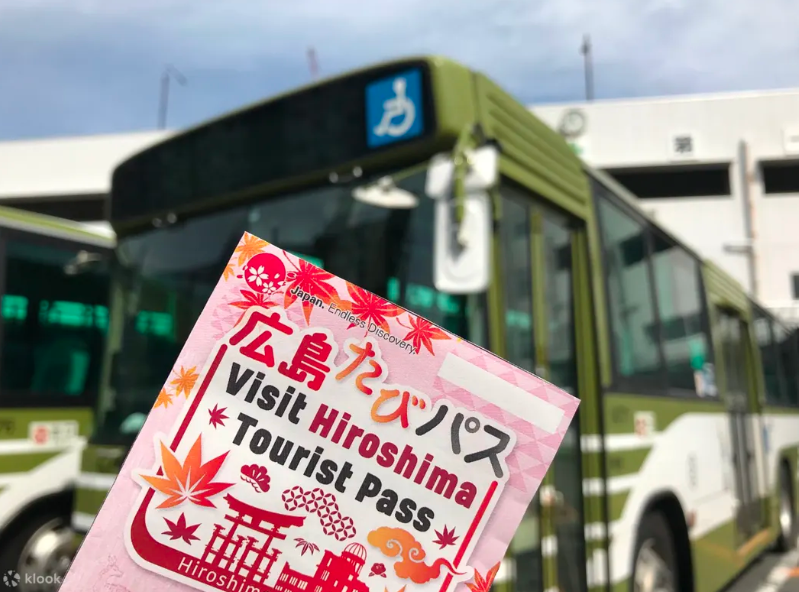
FUKUOKA — The Birthplace of Tonkotsu Ramen
Fukuoka, located on Kyushu island, is the birthplace of tonkotsu ramen — one of Japan’s most beloved dishes. The city’s food scene is shaped by its coastal location, mild climate, and rich agricultural surroundings, making it a crossroads of flavour in southern Japan.
What sets Fukuoka apart is its unique yatai culture — open-air street stalls that come alive at night. These little carts offer ramen, yakitori, gyoza, and local specialties in a warm, social atmosphere. Eating at a yatai isn’t just a meal — it’s an experience. You sit shoulder-to-shoulder with locals, chat with the chef, and feel like part of the neighbourhood.
Fukuoka is also famous for mentaiko, a spicy cod roe introduced by Korean immigrants and perfected by local chefs. Combined with rice or fresh noodles, it’s a flavour that’s both bold and addictive.
This region balances hearty dishes with coastal freshness — and offers some of Japan’s best comfort food in the most relaxed, friendly setting.
Hakata Tonkotsu Ramen
- Rich, creamy pork bone broth cooked for hours.
- Flavour: Bold, silky, deeply savoury
- Noodle style: Thin, straight noodles that cook fast
- Local tip: Order “kaedama” (extra noodles)
Mentaiko (Spicy Cod Roe)
- Salty roe eaten with rice or pasta.
- Texture: Soft, briny, slightly spicy
- Signature dish: Mentaiko French bread in Hakata Station stores
Yatai Food Stalls
- Open-air street stalls offering ramen, yakitori, gyoza.
- Experience: Social, authentic, warm
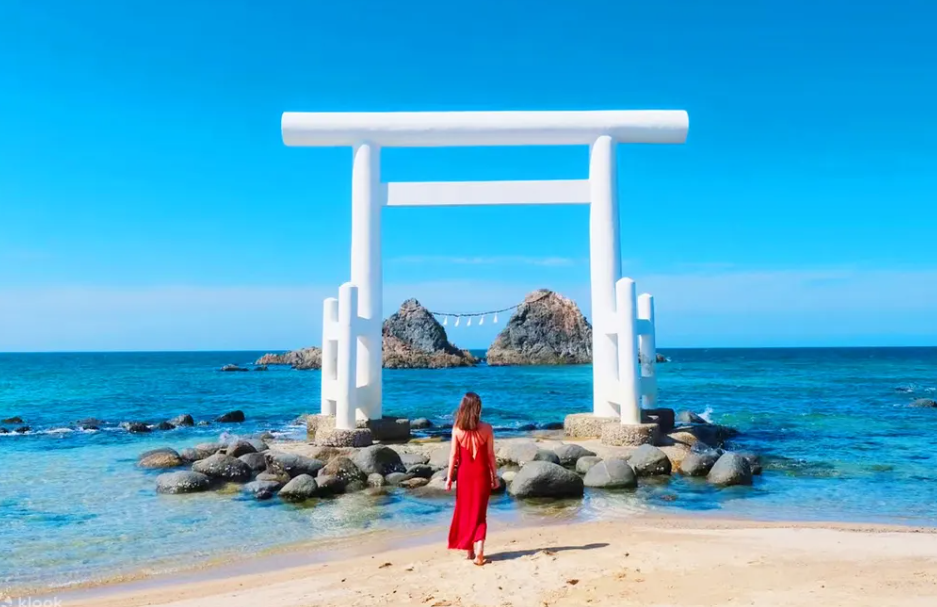

OKINAWA — Tropical, Colourful, and Island-Influenced
Okinawa feels like a different world within Japan — warm, tropical, slow-paced, and deeply influenced by its unique history. Once part of the Ryukyu Kingdom, Okinawa developed a distinct food culture that blends Japanese, Chinese, Southeast Asian, and American flavours.
Meals here reflect island life: fresh seafood, tropical produce, and simple, wholesome cooking techniques. Dishes like Okinawa soba, sea grapes (umibudō), and bitter melon stir-fry come from local farming traditions, while fusion favourites like taco rice emerged through post-war American influence.
Thanks to its warm climate and marine environment, Okinawa cuisine is lighter, refreshing, and colourful. Purple sweet potatoes, tropical fruits, sea vegetables, and pork simmered for hours (rafute) all play starring roles.
Beyond taste, Okinawa’s food culture is strongly tied to longevity — the region is one of the world’s famous Blue Zones, where residents regularly live beyond 100. Their diet emphasizes balance, fresh ingredients, and mindful eating.
Whether you're exploring Naha’s bustling markets or relaxing at a seaside café, Okinawa offers flavours that feel vibrant, nourishing, and joyful.
Taco Rice
- A fusion dish of taco-seasoned beef served over rice with lettuce and tomato.
- Flavour: Comforting, slightly spicy, hearty
- Origin: Invented near US military bases
Umibudō (Sea Grapes)
- Seaweed that pops in your mouth.
- Texture: Juicy, refreshing
- Best eaten: With ponzu sauce
Okinawa Soba
- Thick noodles in a clear pork broth.
- Flavour: Light, savoury, homely
- Special ingredient: Tender pork belly topping
Purple Sweet Potato Tarts
- Iconic Okinawan dessert with a naturally sweet, earthy flavour.

How Your #roamingmadeeasywithfrewie Japan eSIM Makes Food Travel Better:
Japan’s food culture often involves:
- Small alleyway restaurants
- Menu items only in Japanese
- Cashless QR ordering
- Crowded areas with long queues
- Reservation-only dining
With KDDI x #frewie Japan eSIM, it ensures you can:
- Translate menus instantly
- Find highly rated shops nearby
- Check queue times in real time
- Use Google Maps to navigate food alleys
- Make online reservations
Download the Frewie App Today for exclusive discounts.